

Discover how soil, science and innovation transformed Ireland’s farming past & are shaping future.
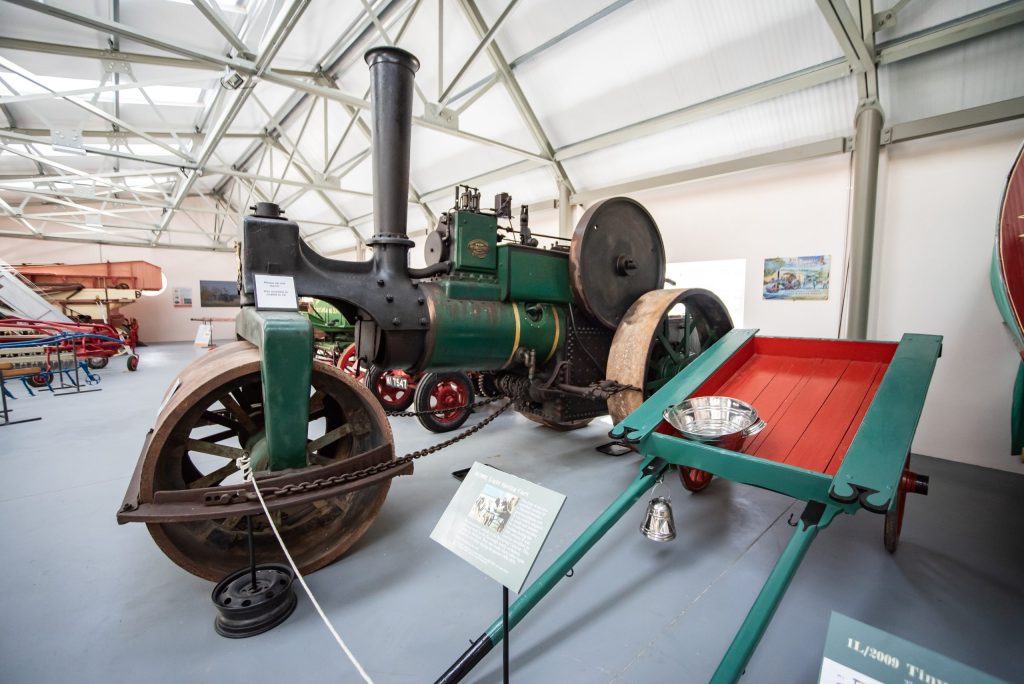
Changing Farming Fortunes – a new permanent exhibition at the Irish Agricultural Museum opens on Thursday, 19 February, during the school mid-term break. The exhibition reveals the hidden story of Irish farming and food, with a special focus on the surprising and vital role of soil, and how Johnstown Castle became a centre for agricultural science that helped transform Irish food production.
To celebrate the opening, children are invited to take part in a special hands-on workshop at the museum on Thursday, 19 February, led by soil scientists from Teagasc. No booking is required. Workshops will run from 11am–12pm and again from 2pm–3pm, giving young visitors the chance to explore real science with experts, learn simple experiments they can try at home, and begin collecting their own science data. These workshops are free for members of the Irish Heritage Trust or included with standard daily admission.
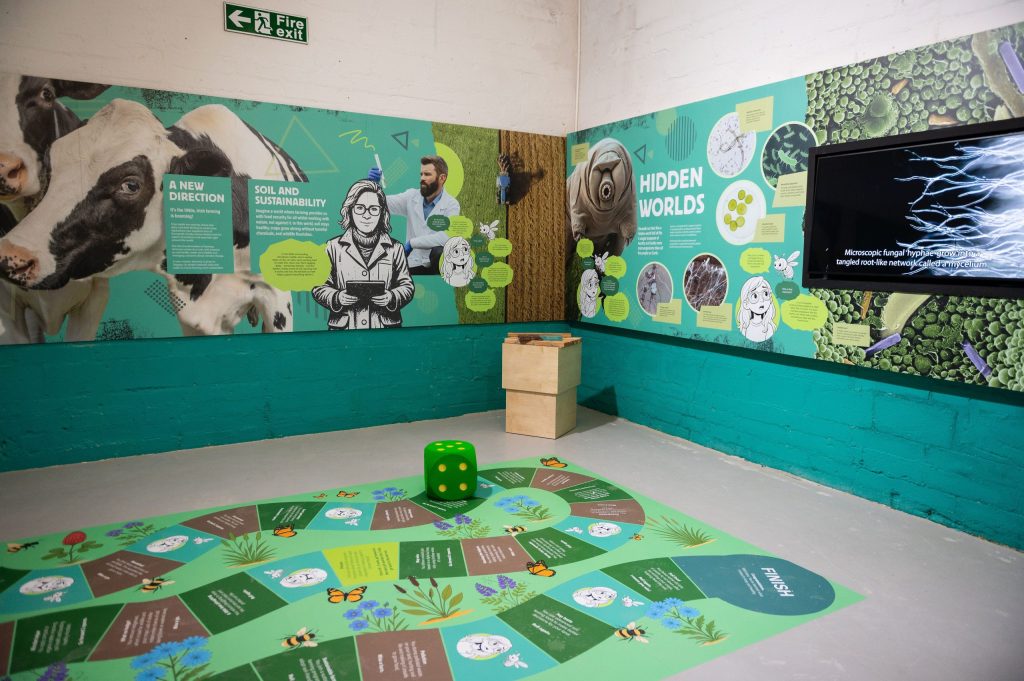
Changing Farming Fortunes brings the story of land, soil and science vividly to life through immersive, hands-on experiences. Designed for primary school children, families and agricultural enthusiasts, the exhibition explores how farming in Ireland has evolved and how science continues to shape the future of food and sustainability.
Matt Wheeler, Irish Heritage Trust General Manager at the Irish Agricultural Museum and Johnstown Castle, said: “Changing Farming Fortunes marks the beginning of a major year-long reinvention of the Irish Agricultural Museum that will continue to unfold into early 2027, with Teagasc playing a key role in shaping the scientific content and educational focus of the exhibitions. We are excited about this transformation, the most significant since the opening of the Museum in 1978.”
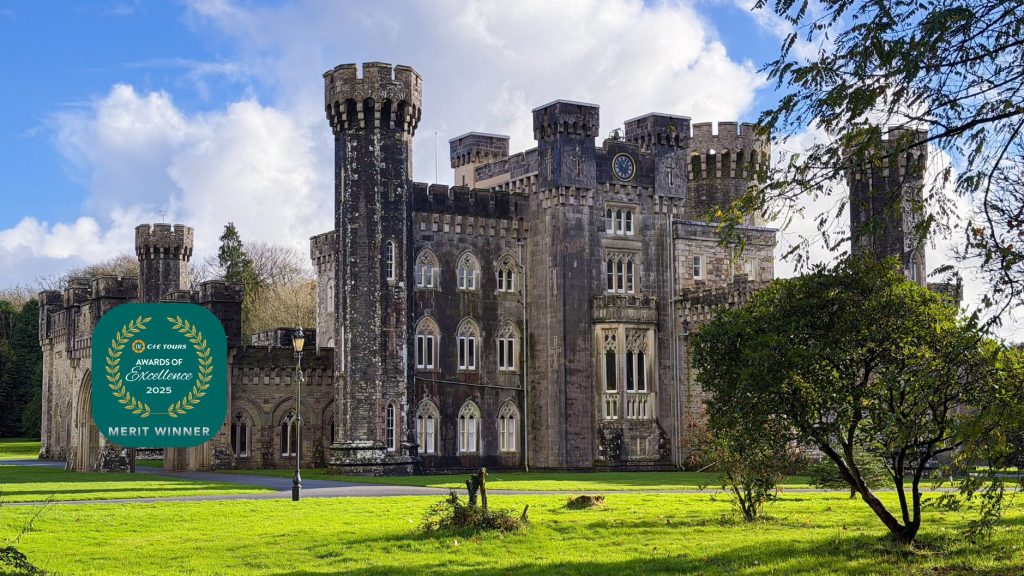
Since 2019, Johnstown Castle Estate, Museum & Gardens has been under the care of the Irish Heritage Trust, following Teagasc’s decision as site owner to entrust the organisation with its stewardship. As an independent non-profit, the Trust has transformed the estate into a flagship visitor destination in the south-east, with income from admissions, events and memberships supporting conservation, biodiversity initiatives and public access.
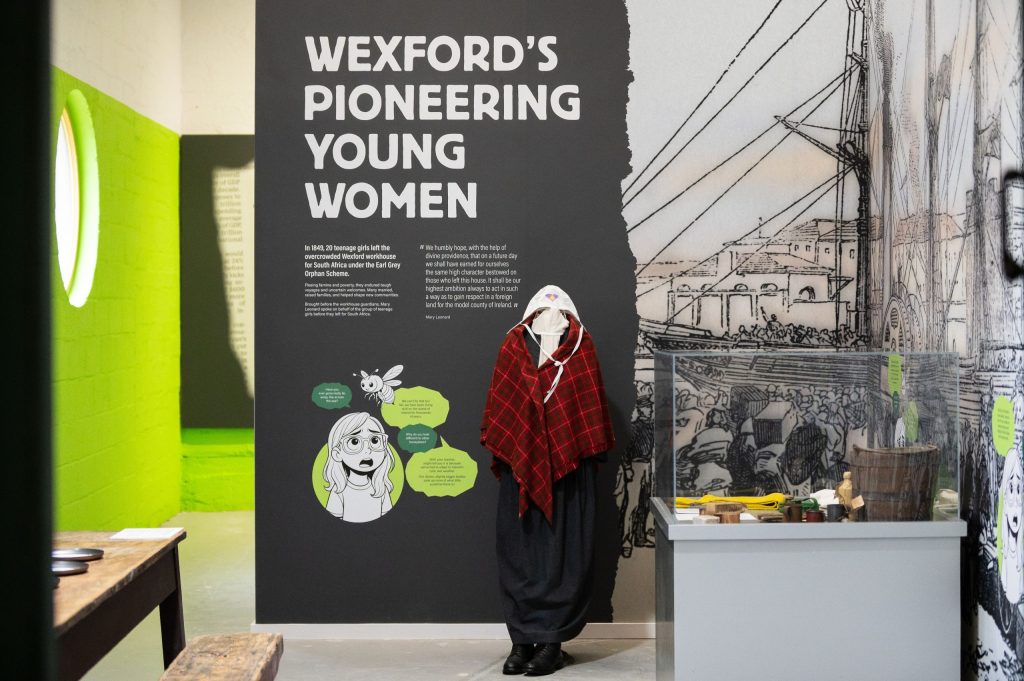
While redevelopment work at the Irish Agricultural Museum continues throughout the year, there is still plenty for visitors to enjoy. Johnstown Castle Estate, Museum & Gardens offers a unique three-in-one visitor experience: guided tours of the historic castle, beautifully restored gardens to explore, a playground for families, and a welcoming visitor centre—making it an ideal day out for all ages.
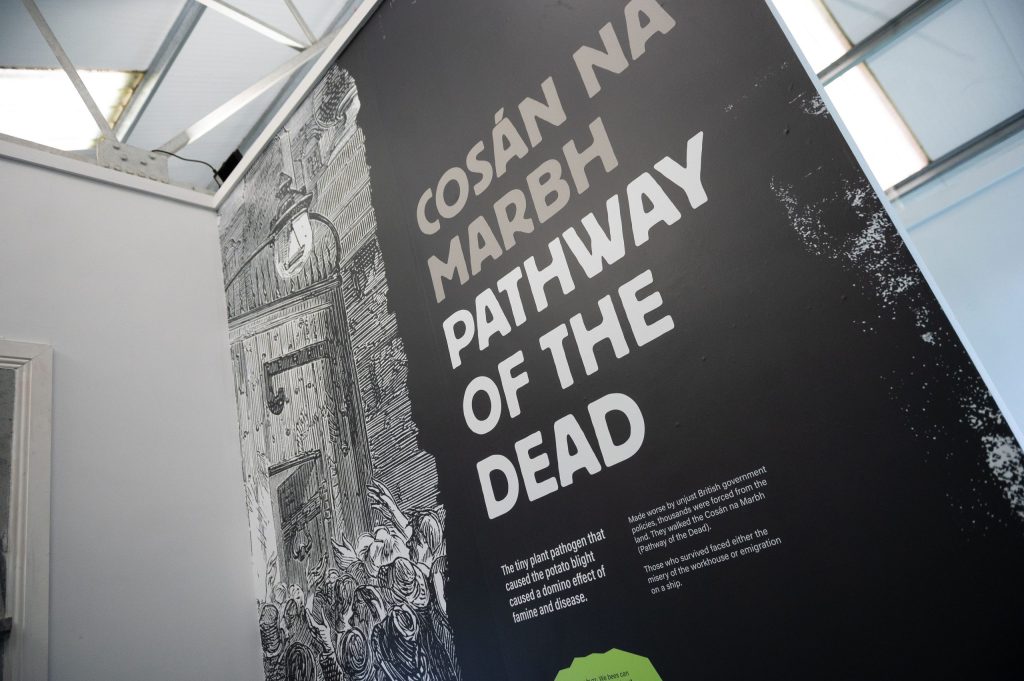
Johnstown Castle Estate offers a wealth of experiences beyond the museum. Scenic lake walks, walled gardens, and woodland trails provide a peaceful retreat. Families can enjoy the children’s playground and newly accessible pathways around the lower lake. Dogs are welcome throughout the estate, making it a great destination for all visitors.
The estate’s café seats 160 guests and serves a delicious selection of food. Local producers feature across the menus, creating a warm and inviting dining experience. A spacious retail area showcases locally sourced products, allowing visitors to take home a piece of this unique heritage.
Located just 15 minutes from Rosslare Harbour, Johnstown Castle Estate, Museum & Gardens offers ample parking and a welcome for individuals and groups. A visit of at least three hours is recommended to fully experience everything the site has to offer.
Membership is a wonderful way to support Irish heritage conservation, and make the most of Ireland’s wonderful houses and gardens. It includes access to the Irish Agricultural Museum and the National Famine Museum at Strokestown Park. Find out more.
Explore Strokestown’s
Latest News
Johnstown Castle Award of Excellence 2025
Johnstown Castle Estate, Museum and Gardens recognised at the Annual CIE Tours Awards of ExcellenceFrom Wexford to the World: Ireland’s Soil Science Legacy
Ireland’s Agricultural Heritage Takes Its Place on the World Stage. Historic soil testing device fro the Irish Agricultural Museum (IAM)…